Tokyo Without a Tour: Can You Do It on Your Own?
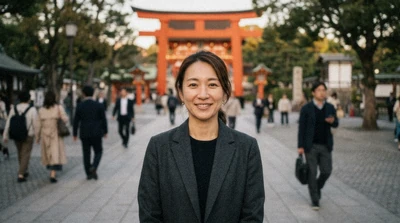
Yes. Every stop on Tokyo's usual city-tour circuit, the Imperial Palace, Senso-ji, Shibuya Crossing, Meiji Shrine, Tokyo Tower and the Skytree, sits on the ordinary Metro and Toei subway network, and none of them requires a permit, a licence or a booked guide to enter. The honest catch is depth and time: a guide sequences six stops into one smooth day, while a first-timer alone works harder for the same route and usually sees fewer of them. This page is about how far no tour actually gets you, not whether a paid tour is worth its price, which we cover separately in are Tokyo city tours worth it. Below: the real DIY costs, the spots that need no ticket at all, and where a guide genuinely earns its fee.
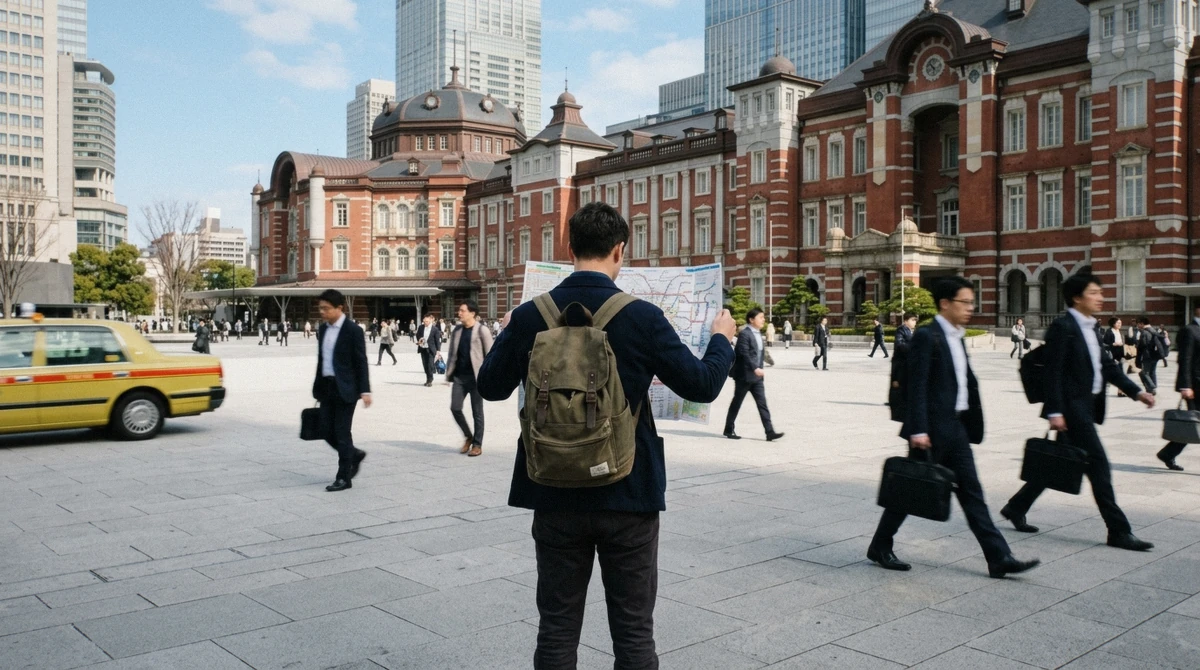
Quick answer
Yes, you can see Tokyo without a tour. All six major stops on the usual circuit sit on the Metro and Toei subway network with no permit or guide required, and a 24-hour Tokyo Subway Ticket costs ¥1,000 (about $7). The honest qualifier: the ticket covers Metro and Toei lines only, not JR, so the Yamanote loop and some transfers need a separate IC card.
Key takeaways
- Verdict: fully DIY-viable, no licence or permit blocks an individual visitor at any of these landmarks
- Real DIY cost for a full day: about $20, a 24-hour Subway Ticket plus one paid attraction ticket
- What a tour adds that DIY genuinely can't: skip-the-line Skytree entry and a pre-sequenced route across many stops in one day
- Biggest practical caveat: the Tokyo Subway Ticket doesn't cover JR lines, including the Yamanote loop
- Who should DIY: confident transit users with two or more days to spread stops across
- Who shouldn't: first-timers with one day who'd rather not plan a route themselves
The Short Answer: Do You Need a Tour?
No law, permit or licence stands between an independent visitor and any of Tokyo's usual sightseeing stops. The Imperial Palace's outer garden, Senso-ji, Shibuya Crossing, Meiji Shrine and the Skytree are all open to the public on ordinary subway access, the same way a resident would visit them. The one access rule worth knowing up front: the Imperial Palace's inner grounds stay closed to everyone, tour or no tour, so nothing about going alone changes that particular limit.
What does change without a tour is sequencing and timing. A guide has already worked out which order avoids the worst queues and which train gets you there fastest; alone, that planning is on you. For the guided Tokyo tour options that do that planning for you, see the full lineup.
DIY vs Tour at a Glance
| On your own | With a tour | |
|---|---|---|
| Cost per person | About $20 for transit passes and standalone tickets | $25 to $300, guide and sometimes an entry ticket bundled in |
| What you can reach | Every stop on this list by subway, no restrictions | The same stops, plus skip-the-line Skytree entry and a fixed, efficient route |
| Gear | None needed beyond a phone or paper map | None needed; bikes and karts come with gear included on those specific tours |
| Safety & backup | You handle delays, closures and wrong turns yourself | A guide manages disruptions and rebooking on the day |
| Time & flexibility | Full control of pace, but route planning takes real time beforehand | Fixed schedule, but zero planning and the sequencing already solved |
| Best for | Confident transit users with two or more days to spread stops across | First-timers, one-day visits, or anyone who'd rather not plan a route |
Where You Can Do It on Your Own
All eight stops sit within a loop reachable by subway in under 30 minutes between any two. The order below runs roughly northeast to southwest across a single day, Asakusa first, Shinjuku last.
Senso-ji
Take the Tokyo Metro Ginza Line or Toei Asakusa Line to Asakusa Station, then walk about five minutes to the Kaminarimon gate. Entry is free and nothing changes hands at the door. The roughly 200 metres of Nakamise stalls fill up from mid-morning, so arrive before nine for a clear shot of the gate and the lantern.
Shibuya Crossing
JR Yamanote Line or any of several subway lines into Shibuya Station, then out through the Hachiko exit. It's a public street crossing, free at any hour, with nothing to book. Evenings after dark are the busiest and the most photogenic, and the crossing empties out again well after midnight.
Meiji Shrine
JR Harajuku Station's west exit or Meiji-jingumae subway station puts you at the entrance, then it's a walk under the torii gates through about 70 hectares of planted forest. The shrine grounds are free; the inner treasure museum and garden charge separately if you want them. Weekday mornings are the quietest time to go.
Imperial Palace East Gardens
Otemachi subway station, or a walk from Tokyo Station's Marunouchi side, gets you to the Ote-mon gate. Entry is free, and instead of a paid ticket you're handed a numbered token at the gate that you hand back on the way out, no cash or card needed either way. The garden closes on a couple of days most weeks, so check the current schedule before building a visit around it.
Tokyo Skytree
Tobu Skytree Line, or the Hanzomon, Asakusa or Keisei lines, to Tokyo Skytree Station puts you at the base of the tower. The Tembo Deck starts at ¥1,800 (about $13) for an adult bought online in advance; buy at the counter instead and a ¥500 (about $4) service fee gets added on top, so book ahead if you're doing this without a tour. Afternoon queues run long, and this is the one stop where the guided tours' skip-the-line entry genuinely saves real time.
What DIY Really Costs
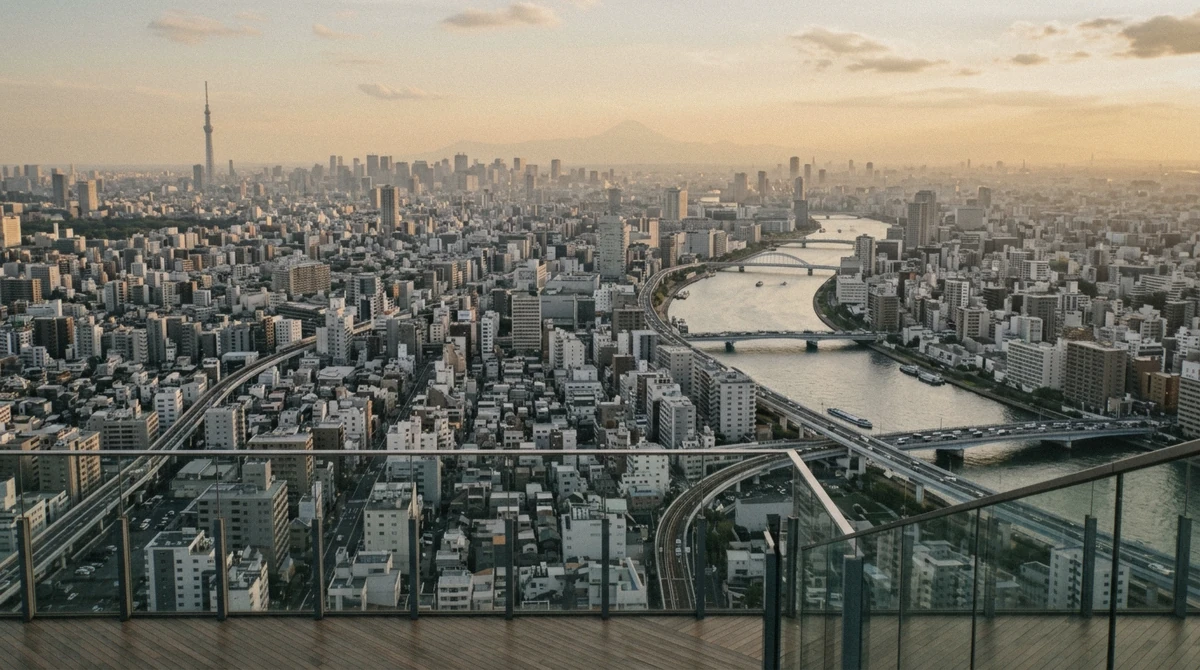
A solo day of the free stops plus one paid ticket runs close to this:
- Tokyo Subway Ticket: ¥1,000 for 24 hours, ¥1,500 for 48, ¥2,000 for 72 (about $7, $10 and $14). Metro and Toei lines only, not JR
- A short hop on JR, if your route needs one, adds a few hundred yen per ride on top
- Skytree Tembo Deck, if you add it: ¥1,800 online (about $13), plus a ¥500 (about $4) surcharge buying at the counter same-day
- Solo total for a full sightseeing day with the Skytree included: roughly ¥2,800, about $20
The usual rule that DIY gets cheaper per person in a group doesn't fully hold here. A rental car's cost splits down as more people join, but the Subway Ticket is a flat per-person fare with no group rate, so four independent travelers still pay four separate $7 tickets rather than one shared cost. Meanwhile the private tour car is a genuinely flat $300 for up to five, which drops to $75 a head once four people share it, cheaper than four people's transit tickets plus four separate Skytree admissions once you add it up.
Groups of three or more are the one case where the tour side's math can beat the DIY side's, not the other way round. For the full price picture across every tour, see Tokyo city tour cost.
| Visitor | Transit | Attraction | Realistic total |
|---|---|---|---|
| Solo DIY | $7 (24h Subway Ticket) | $13 (Skytree online) | about $20 |
| Couple, DIY | $14 for two tickets | $26 for two Skytree tickets | about $20 each |
| Group of four, DIY | $28 for four tickets | $52 for four Skytree tickets | about $20 each |
| Group of four, private car tour | Included in the flat fare | Paid separately on the day | $75 each plus the day's entry fees |
When Skipping the Tour Is the Right Call
We'd genuinely recommend going without a tour if:
- You're comfortable reading a subway map and switching lines without help
- You have two or more days in Tokyo and can spread these stops across mornings instead of compressing them into one guided sweep
- You want to linger somewhere longer than a schedule allows, an extra hour at Nakamise or a slow lap of the Skytree deck
- Budget matters more than convenience: roughly $20 in transit and tickets beats $39 to $122 for a guided day
When a Tour Is Genuinely Worth It
The concrete cases where paying for a guide earns its price, each tied to something DIY specifically can't replicate:
- First-timers with exactly one day: the full-day coach sequences nine stops, including skip-the-line Skytree entry, into a single route that would take real planning hours to build alone
- Anyone who wants the Skytree without the afternoon queue: the coach and the half-day bus both include entry with the line-skip built in, the one genuine access advantage a tour holds over DIY here
- Solo travelers uneasy about an unfamiliar nightlife district after dark: the Shinjuku night walk moves through Golden Gai and Kabukicho as a small group with a guide, rather than alone
- Families with young kids or step-free needs: the Hato Bus route is listed as wheelchair accessible and lets under-6s ride free, neither of which a self-planned subway day guarantees
Safety Rules Either Way
None of Tokyo's usual sightseeing stops carry the hazards of open water or wildlife, but a few practical rules apply on a tour and alone alike. At Shibuya Crossing, keep moving with the flow rather than stopping mid-crossing for a photo; hundreds of people cross at once and a sudden stop causes exactly the pileup everyone's trying to avoid. In Kabukicho and Golden Gai after dark, the alleys are well lit but genuinely disorienting on a first visit, so a solo traveler unfamiliar with the area is safer sticking to the main lanes or joining a small guided walk rather than wandering the side streets alone.
Standard travel insurance that covers your dates is worth having either way, tour or DIY; neither format changes that basic advice.
A Simple DIY Half-Day Plan
No car needed, and none of these readers should rent one; Tokyo's subway covers this entire loop. A realistic no-car morning and early afternoon:
-
8:00
Leave the hotel
Subway service is already running; grab a Suica or Welcome Suica card if you don't have one yet
-
8:30
Senso-ji and Nakamise
Arrive before the mid-morning crowds fill the stalls
-
9:30
Subway to the Imperial Palace East Gardens
About 20 to 30 minutes via Otemachi; collect the token at the gate
-
11:00
Subway to Shibuya
Another 20 to 30 minutes; the Crossing and Hachiko statue are steps from the station exit
-
12:30
Lunch near Shibuya
Refuel before the afternoon leg
-
13:30
Optional: Skytree
Buy the Tembo Deck ticket online ahead of time to skip the counter surcharge and the worst of the queue
Where DIY Breaks Down
Three honest limits worth knowing before you commit to going alone. Language depth: signage and menus stay bilingual in the main tourist stretches, but drop one street back from Nakamise or Omoide Yokocho and English thins out fast, which is where a guide's on-the-spot translation actually earns its keep. Back-street navigation: Tokyo's addresses are numbered by when a building went up, not by where it sits on the block, so even residents get turned around off the main roads, and an unplanned wrong turn can eat 20 minutes you didn't budget.
Time cost of planning: sequencing six or more stops into one smooth day, checking which subway line connects which two stations, working around the Skytree's queue pattern, takes real research hours beforehand that a guide has already spent for you. None of this makes DIY a bad idea; it just means the savings on the ticket price are partly a trade against your own planning time.
Deciding between the two questions matters here: this page answers how far you get with no tour at all, while are Tokyo city tours worth it answers whether paying for one is worth the money once you've decided to book. Read whichever one your trip actually needs.
Questions About Seeing Tokyo Without a Tour
Can you see Tokyo without a tour?
Yes. Every stop on the usual sightseeing circuit sits on the ordinary Metro and Toei subway network, and none of them requires a permit or a booked guide to enter.
Is it cheaper to sightsee in Tokyo yourself?
For one or two people, usually yes: about $20 for a full day of transit and one paid ticket, against $39 to $122 for a guided day. For three or more people, the math can flip, since the Subway Ticket has no group rate while the $300 private car drops to $75 a head once four people share it.
Can I reach the same spots without a tour?
Nearly all of them, with one real trade-off: the Skytree's skip-the-line entry is a tour-only advantage, since buying the ticket yourself still means queuing at busier times of day.
What is the Tokyo Subway Ticket and how much does it cost?
A tourist-only pass covering Tokyo Metro and Toei subway lines, priced at ¥1,000 for 24 hours, ¥1,500 for 48 hours, and ¥2,000 for 72 hours (about $7, $10 and $14). It does not cover JR lines, including the Yamanote loop, so a separate IC card handles those.
Can beginners get around Tokyo alone?
Most confident travelers manage fine after one day of practice with the subway map. First-timers with only one day in the city typically see more, faster, on a guided route than they would building one from scratch.
Do you need cash for sightseeing in Tokyo without a tour?
Rarely. An IC card or the Tokyo Subway Ticket covers transit, and most attractions in this guide are either free or take card payment online. Small food stalls in Asakusa are the most likely place you'll still want a little cash on hand.